Buy balticseal.eu ?
We are moving the project
balticseal.eu .
Are you interested in purchasing the domain
balticseal.eu ?
domain@kv-gmbh.de · 0541-91531010
Buy balticseal.eu ?
What characterizes the Dark Ages?
The Dark Ages, also known as the Early Middle Ages, were characterized by a decline in centralized authority, cultural stagnation, and economic instability following the fall of the Western Roman Empire. This period saw a lack of significant advancements in science, technology, and the arts, as well as a decrease in urbanization and trade. The Dark Ages were marked by frequent invasions, warfare, and the spread of disease, leading to a general sense of insecurity and a focus on survival rather than progress. **
Was the Middle Ages a dark time?
The Middle Ages is often referred to as a "dark" time due to the popular perception of it being a period of ignorance, superstition, and lack of progress. However, this view is not entirely accurate. While the Middle Ages did have its share of challenges such as disease, warfare, and social inequality, it was also a time of great cultural, artistic, and intellectual achievements. The era saw the construction of magnificent cathedrals, the development of universities, and the preservation and transmission of knowledge from ancient civilizations. Therefore, while the Middle Ages had its difficulties, it was also a time of significant advancements and contributions to human history. **
Similar search terms for Dark Ages
Top-Angebote
Products related to Dark Ages:
-
Addison Rugs Premium Washable Super Soft Coastal Sealife Mayfield RugAdd a splash of ocean charm with sealife in a coastal design. This rug brings a playful beachy feel to your home. Suitable for indoor and covered outdoor areas, it boasts a soft, thick, and plush microfiber pile.37,49 $*Shipping: 0,00 $Secure redirect to the provider
-
Uplift Picks Nautical Life Buoy Wall Decor Coastal Beach Marine Hanging Decoration red 14 CmBring the relaxing charm of the seaside into your home with this eyecatching nautical wall decor. Designed with classic red and blue tones, it captures the spirit of coastal living and adds a refreshing touch to any space. This decorative life buoy...46,48 $*Shipping: 0,00 $Secure redirect to the provider
-
Uplift Picks Nautical Life Buoy Wall Decor Coastal Beach Marine Hanging Decoration red 25 CmBring the relaxing charm of the seaside into your home with this eyecatching nautical wall decor. Designed with classic red and blue tones, it captures the spirit of coastal living and adds a refreshing touch to any space. This decorative life buoy...46,48 $*Shipping: 0,00 $Secure redirect to the provider
-
Uplift Picks Nautical Life Buoy Wall Decor Coastal Beach Marine Hanging Decoration red 35 CmBring the relaxing charm of the seaside into your home with this eyecatching nautical wall decor. Designed with classic red and blue tones, it captures the spirit of coastal living and adds a refreshing touch to any space. This decorative life buoy...46,48 $*Shipping: 0,00 $Secure redirect to the provider




-
How were dark-skinned people treated in the Middle Ages?
In the Middle Ages, dark-skinned people were often treated as inferior to lighter-skinned individuals. They were often subjected to discrimination, prejudice, and even slavery. The concept of race as we understand it today did not exist in the same way during the Middle Ages, but people with darker skin were often seen as "other" and were frequently marginalized and oppressed. However, it's important to note that the treatment of dark-skinned people varied depending on the time period, geographical location, and specific cultural and social contexts. **
-
Was the European Middle Ages really such a dark time?
The European Middle Ages is often portrayed as a dark and backward period in history, but this is an oversimplification. While there were certainly challenges such as disease, warfare, and political instability, there were also significant advancements in art, architecture, philosophy, and science. The period saw the rise of universities, the development of Gothic architecture, and the preservation and transmission of knowledge from ancient civilizations. Additionally, the Middle Ages laid the foundation for the Renaissance and the Age of Enlightenment, which were periods of great intellectual and cultural growth. Therefore, while the Middle Ages had its difficulties, it was also a time of innovation and progress. **
-
Were there dark-skinned knights in the Middle Ages or not?
Yes, there were dark-skinned knights in the Middle Ages. While the popular image of knights in European history often depicts them as white, there were actually knights of various ethnicities and backgrounds. Historical records and artwork from the Middle Ages show that people of African and Middle Eastern descent served as knights in Europe. These individuals played important roles in medieval society, including serving as military leaders, diplomats, and administrators. **
-
How can one argue that the Middle Ages were not a dark age?
One can argue that the Middle Ages were not a dark age by highlighting the advancements and achievements made during this period. The Middle Ages saw significant developments in architecture, art, literature, and philosophy, such as the construction of magnificent cathedrals, the emergence of Gothic art, the works of renowned scholars like Thomas Aquinas, and the preservation of ancient texts by medieval monks. Additionally, the Middle Ages laid the foundation for the Renaissance and the Age of Enlightenment, demonstrating that it was a time of progress and innovation rather than stagnation. **


Why is the Middle Ages actually called the Middle Ages?
The Middle Ages is called so because it is the period of time between the fall of the Roman Empire in the 5th century and the beginning of the Renaissance in the 14th century. It is considered the "middle" period between the classical antiquity of the Roman Empire and the modern era. This period is also known as the medieval period, and it is characterized by the development of feudalism, the rise of Christianity, and the dominance of monarchies in Europe. **
What did people in the Middle Ages call the Middle Ages?
During the Middle Ages, people did not refer to that time period as the "Middle Ages." Instead, they viewed themselves as living in the present time and did not have a specific term to describe their era. The concept of dividing history into distinct periods, such as the Middle Ages, Renaissance, and Modern era, was developed by later historians looking back on history. The term "Middle Ages" was first coined in the 15th century by Renaissance scholars who viewed the period between the fall of the Roman Empire and their own time as a "middle" or intermediate period. **
Top-Angebote
Products related to Dark Ages:
-
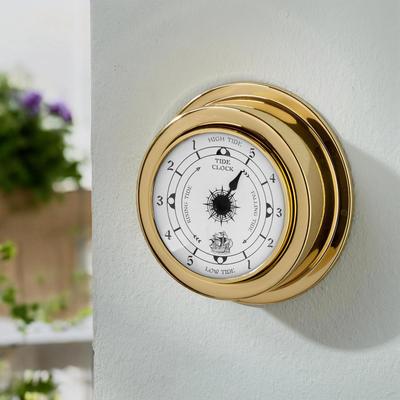
Daily Discovery Marine Tide Clock Nautical Wall Clock For Boats, Yachts And Coastal Home Decor Marine Tide Clock Nautical Wall Clock For Boats, Yachts And Coastal Home DecorEnjoy every trip on the water with a reliable Marine Tide Clock designed to help you stay aware of changing tidal conditions. Whether you're a sailor, angler, boater, or coastal homeowner, this compact clock combines practical function with timeless...68,97 $*Shipping: 0,00 $Secure redirect to the provider
-
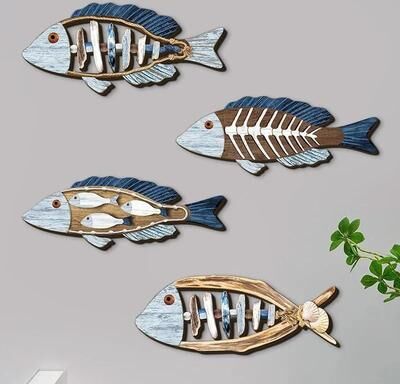
Uplifted Finds Artisanal Carved Wood Fish Quartet 4 Piece Marine Sculpture Set For Coastal Home & Nautical Wall Decor Artisanal Carved Wood Fish Quartet 4 Piece Marine Sculpture Set For Coastal Home & Nautical Wall Decor"Bring the tranquil rhythm of the sea to your living space with our Ocean Fish Wall Decor. This premium 4pcsset of wooden carving art is the ultimate designer solution for creating a ""CoastalSanctuary"" or ""NauticalLuxe"" atmosphere in any home...."140,97 $*Shipping: 0,00 $Secure redirect to the provider
-
Addison Rugs Premium Washable Super Soft Coastal Sealife Mayfield RugAdd a splash of ocean charm with sealife in a coastal design. This rug brings a playful beachy feel to your home. Suitable for indoor and covered outdoor areas, it boasts a soft, thick, and plush microfiber pile.37,49 $*Shipping: 0,00 $Secure redirect to the provider
-
Uplift Picks Nautical Life Buoy Wall Decor Coastal Beach Marine Hanging Decoration red 14 CmBring the relaxing charm of the seaside into your home with this eyecatching nautical wall decor. Designed with classic red and blue tones, it captures the spirit of coastal living and adds a refreshing touch to any space. This decorative life buoy...46,48 $*Shipping: 0,00 $Secure redirect to the provider
-
What characterizes the Dark Ages?
The Dark Ages, also known as the Early Middle Ages, were characterized by a decline in centralized authority, cultural stagnation, and economic instability following the fall of the Western Roman Empire. This period saw a lack of significant advancements in science, technology, and the arts, as well as a decrease in urbanization and trade. The Dark Ages were marked by frequent invasions, warfare, and the spread of disease, leading to a general sense of insecurity and a focus on survival rather than progress. **
-
Was the Middle Ages a dark time?
The Middle Ages is often referred to as a "dark" time due to the popular perception of it being a period of ignorance, superstition, and lack of progress. However, this view is not entirely accurate. While the Middle Ages did have its share of challenges such as disease, warfare, and social inequality, it was also a time of great cultural, artistic, and intellectual achievements. The era saw the construction of magnificent cathedrals, the development of universities, and the preservation and transmission of knowledge from ancient civilizations. Therefore, while the Middle Ages had its difficulties, it was also a time of significant advancements and contributions to human history. **
-
How were dark-skinned people treated in the Middle Ages?
In the Middle Ages, dark-skinned people were often treated as inferior to lighter-skinned individuals. They were often subjected to discrimination, prejudice, and even slavery. The concept of race as we understand it today did not exist in the same way during the Middle Ages, but people with darker skin were often seen as "other" and were frequently marginalized and oppressed. However, it's important to note that the treatment of dark-skinned people varied depending on the time period, geographical location, and specific cultural and social contexts. **
-
Was the European Middle Ages really such a dark time?
The European Middle Ages is often portrayed as a dark and backward period in history, but this is an oversimplification. While there were certainly challenges such as disease, warfare, and political instability, there were also significant advancements in art, architecture, philosophy, and science. The period saw the rise of universities, the development of Gothic architecture, and the preservation and transmission of knowledge from ancient civilizations. Additionally, the Middle Ages laid the foundation for the Renaissance and the Age of Enlightenment, which were periods of great intellectual and cultural growth. Therefore, while the Middle Ages had its difficulties, it was also a time of innovation and progress. **
Similar search terms for Dark Ages
-
Uplift Picks Nautical Life Buoy Wall Decor Coastal Beach Marine Hanging Decoration red 25 CmBring the relaxing charm of the seaside into your home with this eyecatching nautical wall decor. Designed with classic red and blue tones, it captures the spirit of coastal living and adds a refreshing touch to any space. This decorative life buoy...46,48 $*Shipping: 0,00 $Secure redirect to the provider
-
Uplift Picks Nautical Life Buoy Wall Decor Coastal Beach Marine Hanging Decoration red 35 CmBring the relaxing charm of the seaside into your home with this eyecatching nautical wall decor. Designed with classic red and blue tones, it captures the spirit of coastal living and adds a refreshing touch to any space. This decorative life buoy...46,48 $*Shipping: 0,00 $Secure redirect to the provider
-
Uplift Picks Nautical Life Buoy Wall Decor Coastal Beach Marine Hanging Decoration blue 14 CmBring the relaxing charm of the seaside into your home with this eyecatching nautical wall decor. Designed with classic red and blue tones, it captures the spirit of coastal living and adds a refreshing touch to any space. This decorative life buoy...46,48 $*Shipping: 0,00 $Secure redirect to the provider
-
Uplift Picks Nautical Life Buoy Wall Decor Coastal Beach Marine Hanging Decoration blue 30 CmBring the relaxing charm of the seaside into your home with this eyecatching nautical wall decor. Designed with classic red and blue tones, it captures the spirit of coastal living and adds a refreshing touch to any space. This decorative life buoy...46,48 $*Shipping: 0,00 $Secure redirect to the provider
-
Were there dark-skinned knights in the Middle Ages or not?
Yes, there were dark-skinned knights in the Middle Ages. While the popular image of knights in European history often depicts them as white, there were actually knights of various ethnicities and backgrounds. Historical records and artwork from the Middle Ages show that people of African and Middle Eastern descent served as knights in Europe. These individuals played important roles in medieval society, including serving as military leaders, diplomats, and administrators. **
-
How can one argue that the Middle Ages were not a dark age?
One can argue that the Middle Ages were not a dark age by highlighting the advancements and achievements made during this period. The Middle Ages saw significant developments in architecture, art, literature, and philosophy, such as the construction of magnificent cathedrals, the emergence of Gothic art, the works of renowned scholars like Thomas Aquinas, and the preservation of ancient texts by medieval monks. Additionally, the Middle Ages laid the foundation for the Renaissance and the Age of Enlightenment, demonstrating that it was a time of progress and innovation rather than stagnation. **
-
Why is the Middle Ages actually called the Middle Ages?
The Middle Ages is called so because it is the period of time between the fall of the Roman Empire in the 5th century and the beginning of the Renaissance in the 14th century. It is considered the "middle" period between the classical antiquity of the Roman Empire and the modern era. This period is also known as the medieval period, and it is characterized by the development of feudalism, the rise of Christianity, and the dominance of monarchies in Europe. **
-
What did people in the Middle Ages call the Middle Ages?
During the Middle Ages, people did not refer to that time period as the "Middle Ages." Instead, they viewed themselves as living in the present time and did not have a specific term to describe their era. The concept of dividing history into distinct periods, such as the Middle Ages, Renaissance, and Modern era, was developed by later historians looking back on history. The term "Middle Ages" was first coined in the 15th century by Renaissance scholars who viewed the period between the fall of the Roman Empire and their own time as a "middle" or intermediate period. **
* All prices are inclusive of VAT and, if applicable, plus shipping costs. The offer information is based on the details provided by the respective shop and is updated through automated processes. Real-time updates do not occur, so deviations can occur in individual cases. ** Note: Parts of this content were created by AI.